
How Cold Chain Logistics Works in Malaysia: From Pharma to Food Distribution
Learn how healthcare logistics in Malaysia maintains temperature-sensitive products from pharma to food. Explore cold chain technology, processes & clinical trial services.
1/11/20265 min read
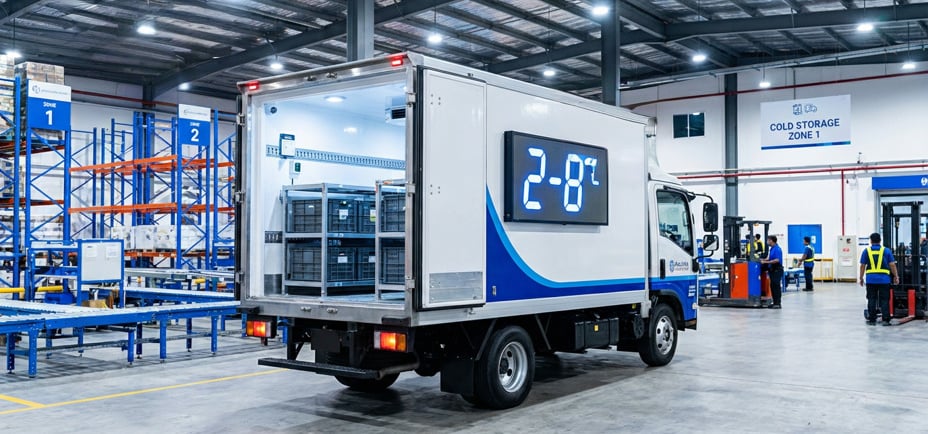
Cold chain logistics might sound technical, but it's something that touches our lives every single day. Every time you pick up fresh produce at the supermarket, collect prescription medication from the pharmacy, or receive life-saving vaccines at the clinic, there's an invisible network of temperature-controlled systems working tirelessly behind the scenes. In Malaysia's tropical climate, where temperatures regularly soar above 35°C, maintaining products at precise cold temperatures throughout the entire supply chain isn't just challenging—it's absolutely mission-critical.In this blog, we'll take you behind the scenes to understand how cold chain logistics actually works in Malaysia, the technology powering it, and why it matters for both pharmaceutical and food distribution.
Understanding Cold Chain Logistics
Cold chain logistics refers to the temperature-controlled supply chain network that keeps perishable and temperature-sensitive products within specific temperature ranges from origin to destination. Think of it as an unbroken chain where every link—from storage facilities to transportation vehicles to final delivery—maintains the required temperature consistently.In Malaysia, this network has grown increasingly sophisticated, particularly in healthcare logistics in Malaysia and clinical trial logistics services in Malaysia. The stakes are incredibly high: break the chain at any point, and you risk spoiled food, ineffective medicines, or compromised life-saving vaccines.
Temperature Zones: Different Products, Different Needs
Not all cold chain logistics are created equal. Different products require different temperature ranges:
Ultra-Cold Storage (-80°C to -20°C): Advanced therapeutics, gene therapies, certain vaccines, and stem cell materials require ultra-cold conditions. Some specialized facilities in Malaysia can even maintain cryogenic storage down to -180°C for the most sensitive pharmaceutical products used in clinical trial logistics services in Malaysia.
Frozen Storage (-25°C to -15°C): Ice cream, frozen seafood, frozen meat products, and certain vaccines need frozen temperatures. These facilities are essential for both food distribution and pharmaceutical storage across Malaysia.
Chilled Storage (2°C to 8°C): This is where most healthcare logistics in Malaysia operates. Vaccines, insulin, blood products, antibiotics, fresh dairy, fruits, vegetables, and many other medications require chilled conditions. Maintaining this precise temperature range is critical for product efficacy and patient safety.
Controlled Ambient (15°C to 25°C): Certain pharmaceuticals, chocolates, and specific medical devices require cool but not refrigerated conditions. This temperature zone requires careful monitoring in Malaysia's hot climate.
Each degree matters. Even a brief temperature excursion of just a few hours can render an entire shipment of insulin or vaccines unusable, resulting in significant financial losses and, more importantly, potential health risks.
How Cold Chain Works: A Pharmaceutical Example
Let's follow the journey of temperature-sensitive medication arriving in Malaysia for clinical trials:
Airport Reception: When pharmaceuticals arrive at KLIA, specialized handlers trained in healthcare logistics in Malaysia immediately transfer them to temperature-controlled containers. Modern facilities at the airport maintain dual-certified zones for different temperature requirements, ensuring products never experience temperature deviation during customs clearance.
Quality Verification: Upon receipt, the shipment's temperature history is verified using data loggers. Advanced temperature sensors provide tamper-proof evidence of temperature compliance throughout transit, creating an auditable trail for regulatory purposes.
Warehousing: The products are stored in GDP-compliant (Good Distribution Practice) warehouses with sophisticated climate control systems. These facilities maintain precise temperatures 24/7, with backup power systems preventing any disruption. Multiple temperature zones within the same location allow simultaneous storage of products with different requirements.
Distribution: When orders come in, products are loaded into refrigerated vehicles equipped with GPS tracking and real-time temperature monitoring. Validated distribution routes cover Peninsular Malaysia, Sabah, and Sarawak, ensuring nationwide temperature-controlled delivery capabilities.
Last-Mile Delivery: The final delivery to hospitals, clinics, or pharmacies maintains the same rigorous temperature standards. Specialized last-mile delivery services offer comprehensive cold chain solutions with distinct temperature ranges and continuous real-time monitoring.
Documentation: Every step is meticulously documented. For clinical trial logistics services in Malaysia, this documentation becomes part of official trial records, ensuring regulatory compliance and product integrity throughout the research process.
Technology Powering Malaysia's Cold Chain
Modern cold chain logistics relies on sophisticated technology that transforms how temperature-sensitive products are handled:
IoT Sensors and Real-Time Monitoring: Advanced sensors continuously track temperature, humidity, shock, and location throughout the journey. These devices transmit data in real-time, allowing immediate intervention if deviations occur. Any temperature excursion triggers automatic alerts to multiple stakeholders, enabling rapid response.
Automated Climate-Controlled Warehouses: Computer-controlled facilities maintain different temperature zones simultaneously with precision. Robotic systems retrieve products without human entry, preventing temperature fluctuations from opened doors and minimizing handling risks.
Transport Management Systems: Proprietary systems optimize delivery routes across Malaysia, reducing transit time while ensuring temperature compliance. This technology considers traffic patterns, delivery windows, vehicle capacity, and weather conditions to maximize efficiency and maintain cold chain integrity.
Blockchain Technology: Some clinical trial logistics services in Malaysia providers use blockchain to create tamper-proof records of a product's cold chain journey, ensuring data integrity and transparency for regulatory authorities and stakeholders.
Predictive Maintenance: AI-powered systems monitor equipment performance continuously, predicting potential failures before they occur. This proactive approach prevents costly temperature excursions, reduces downtime, and protects valuable pharmaceutical and food shipments.
Food Distribution: Beyond Pharmaceuticals
While healthcare gets significant attention, Malaysia's cold chain logistics also ensures food safety and freshness. Fresh seafood from Sabah's waters reaches Kuala Lumpur restaurants within hours, maintaining perfect freshness through carefully orchestrated processes:
Immediate chilling or freezing at source
Temperature-controlled processing facilities
Frozen warehousing at -25°C
Refrigerated transportation nationwide
Cold storage at retail locations
Continuous temperature monitoring
Similarly, imported fruits, dairy products, premium meats, and perishable ingredients rely entirely on unbroken cold chains to reach Malaysian consumers in perfect condition. The food industry has benefited tremendously from advances in healthcare logistics in Malaysia, adopting similar technologies and standards.
The Future of Cold Chain Logistics
Looking ahead, exciting developments are emerging that will transform healthcare logistics in Malaysia:
Drone Delivery: Pilot programs are underway for medical supply delivery to remote areas, maintaining temperature control throughout flight. This technology could revolutionize access to essential medications in underserved communities.
AI and Machine Learning: Next-generation artificial intelligence will further improve route planning, demand forecasting, inventory management, and energy efficiency. Predictive algorithms will optimize entire supply chains from end to end.
Sustainability Initiatives: The industry is adopting reusable packaging systems, sustainable fuels, solar-powered refrigeration units, and energy-efficient cooling technologies to reduce environmental impact while maintaining cold chain integrity.
Expanded Coverage: Continued investment in infrastructure will bring world-class cold chain capabilities to more areas across Malaysia, improving healthcare access and food security nationwide.
5G Integration: Ultra-fast 5G networks will enable even more precise real-time monitoring, faster data transmission, and enhanced coordination across the entire cold chain network.
Why Cold Chain Logistics Matters
Cold chain logistics protects public health and food safety in ways most people never see. Every vaccine protecting children from preventable diseases, every medication managing chronic conditions like diabetes and heart disease, every fresh meal on family tables—all depend on this invisible network functioning flawlessly around the clock.
The Asia-Pacific healthcare logistics market is experiencing remarkable growth, projected to expand from $17.6 billion in 2022 to $29.5 billion by 2030—a compound annual growth rate of 7.1%. Malaysia's strategic location at the heart of Southeast Asia, robust infrastructure, and comprehensive regulatory framework position it at the center of this growth trajectory.
Conclusion
Malaysia's cold chain logistics infrastructure represents a sophisticated network of technology, expertise, and unwavering dedication to quality. From clinical trial logistics services in Malaysia handling cutting-edge therapeutics and breakthrough treatments to daily food distribution keeping supermarket shelves stocked with fresh products, this network operates 24/7 to maintain product integrity and protect public health.
Whether you're a pharmaceutical company requiring reliable healthcare logistics in Malaysia services for sensitive medications, a food distributor needing comprehensive cold chain solutions for perishable goods, or a research institution conducting clinical trials, Malaysia offers world-class capabilities backed by certified facilities, experienced professionals, and comprehensive nationwide coverage.
The commitment to regulatory compliance, continuous technological innovation, and operational excellence makes Malaysia's cold chain infrastructure among Southeast Asia's finest—ensuring that temperature-sensitive products reach their destination safely, effectively, and on time, every single time.